One Lake. One Century. One Chance. Ziwa Moja. Karne Moja. Nafasi Moja.
Retracing the first lake-wide ecological survey. Combining heritage science with genomics, satellite monitoring, and community voices to secure the future of Africa's greatest lake. Kufuatilia utafiti wa kwanza wa kiikolojia wa ziwa zima. Kuchanganya sayansi ya urithi na genomics na sauti za jamii kulinda mustakabali wa ziwa kuu la Afrika.
How would you like to explore? Ungependa kuchunguza vipi?
Scientific methodology, data access, and collaborationMbinu za kisayansi, data, na ushirikiano
Community stories, participation, and local impactHadithi za jamii, ushiriki, na athari za ndani
Learn, engage, and help protect the lakeJifunze, shiriki, na usaidie kulinda ziwa
This is not just a survey of a lake. It is an investment in the future of 42 million lives and the knowledge that belongs to all humanity. Huu si utafiti wa ziwa tu. Ni uwekezaji katika mustakabali wa maisha milioni 42 na maarifa yanayomilikiwa na ubinadamu wote.
Food security. Biodiversity recovery. Climate adaptation. Scientific discovery. Economic transformation for three nations. Usalama wa chakula. Urejesho wa bioanuwai. Urekebishaji wa hali ya hewa. Ugunduzi wa kisayansi.

In 1927, Michael Graham aboard the SS Kavirondo conducted the first comprehensive ecological survey of Lake Victoria — documenting indigenous fish fauna across the world's largest tropical lake in a relatively pristine state.
Mnamo 1927, Michael Graham akiwa kwenye meli ya SS Kavirondo alifanya utafiti wa kwanza wa kina wa kiikolojia wa Ziwa Victoria.
One hundred years later, no comparable lake-wide assessment has been repeated. The ecosystem has undergone dramatic transformation.
Miaka mia moja baadaye, hakuna tathmini ya ziwa zima inayolingana iliyorudiwa.
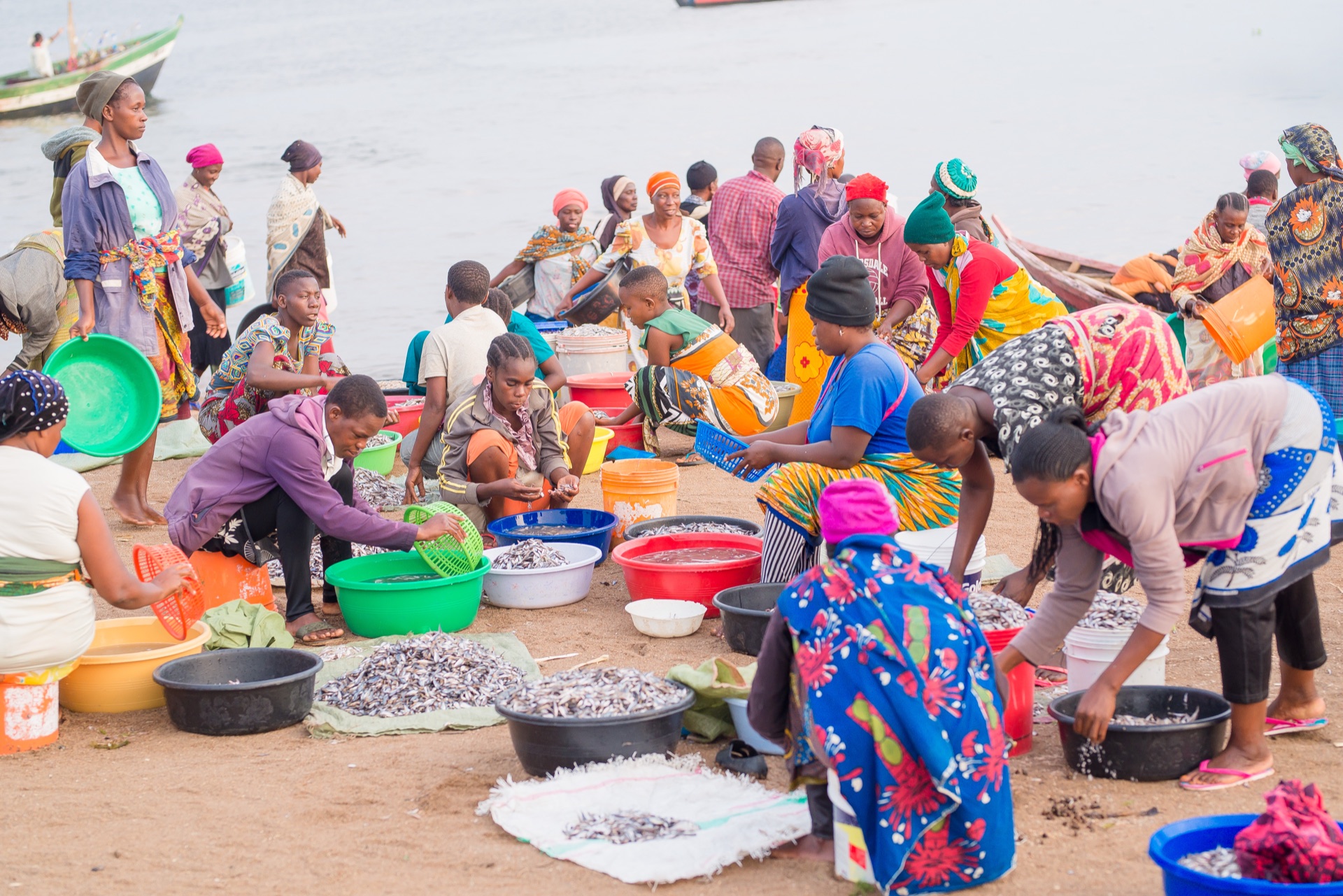
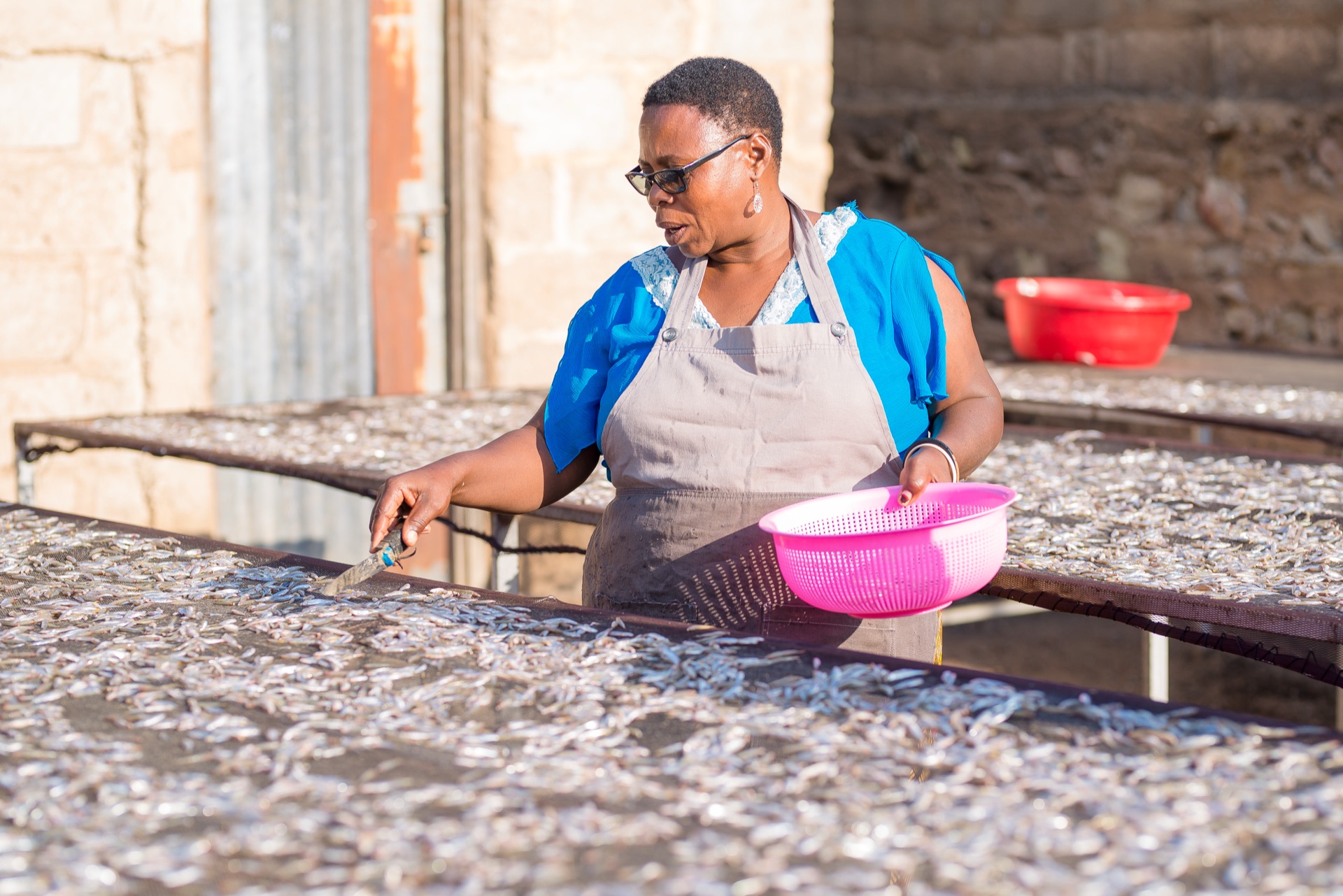
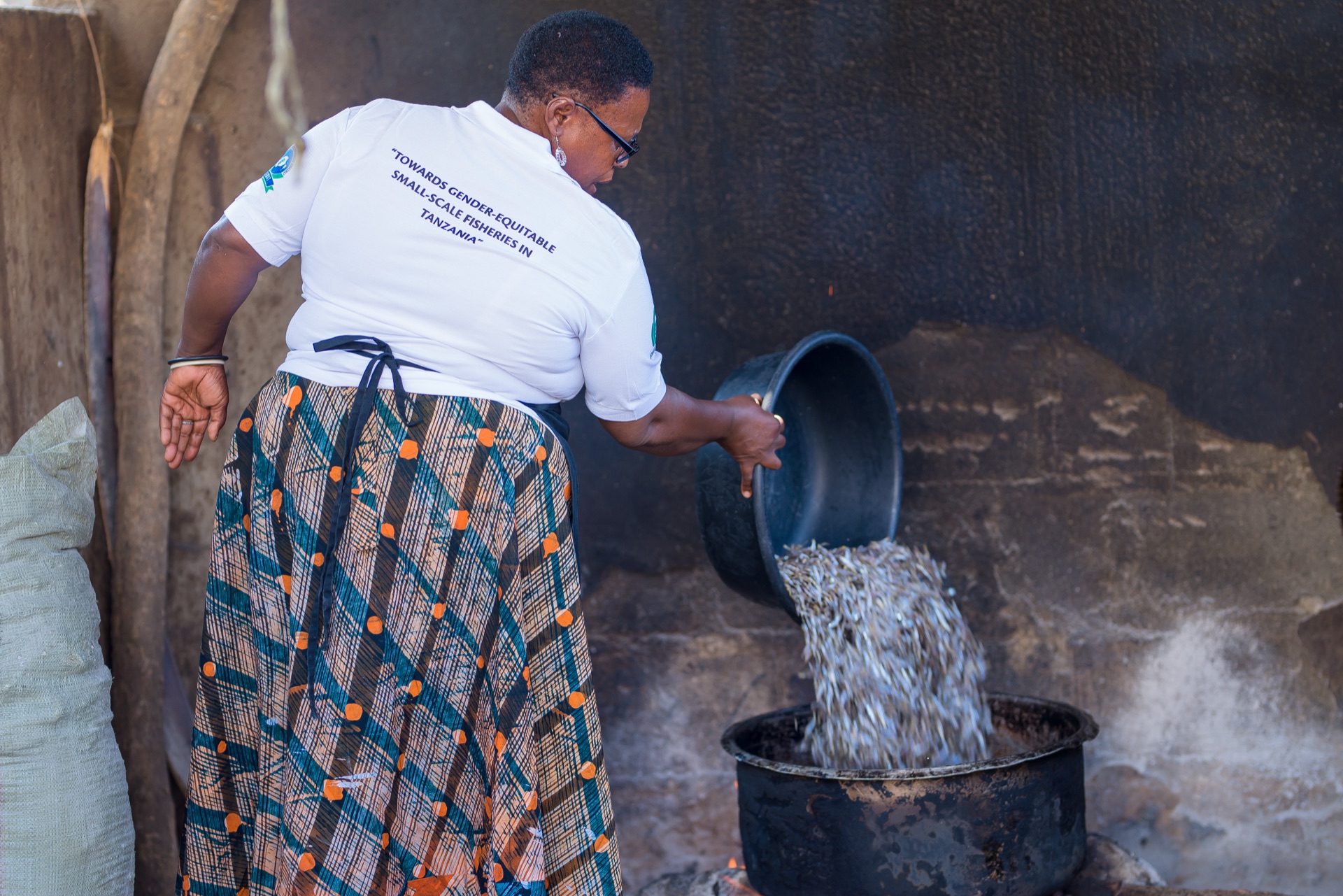
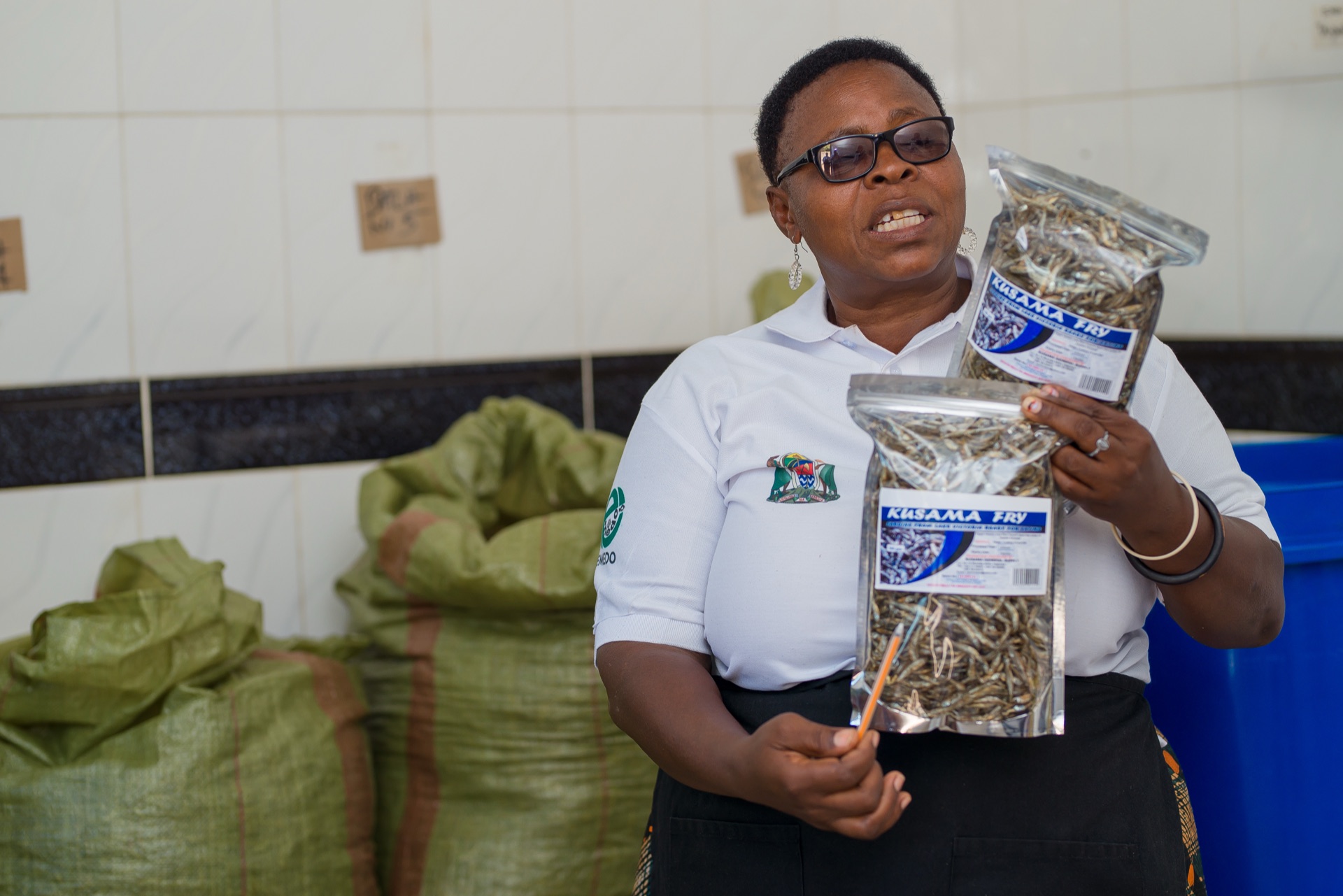
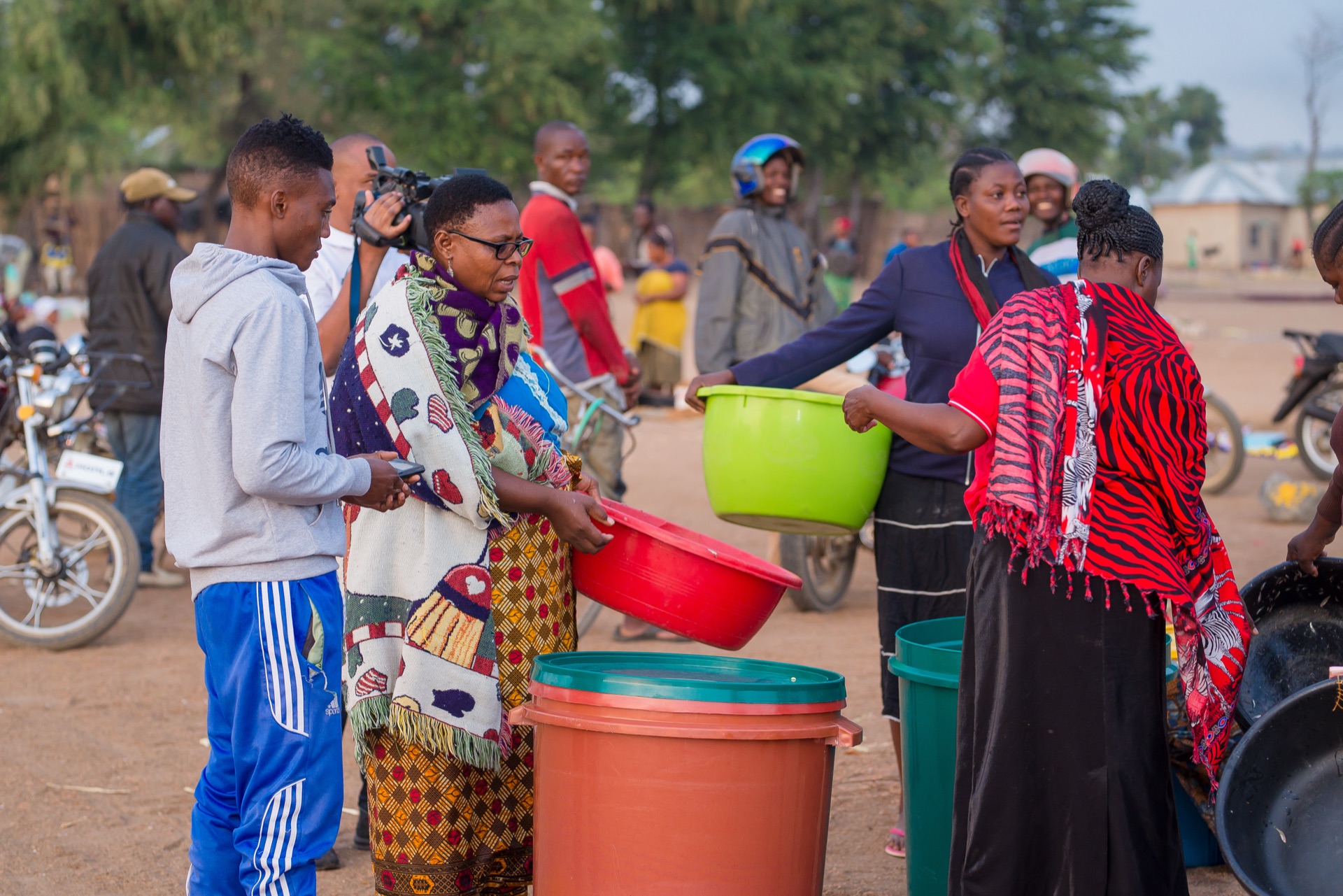
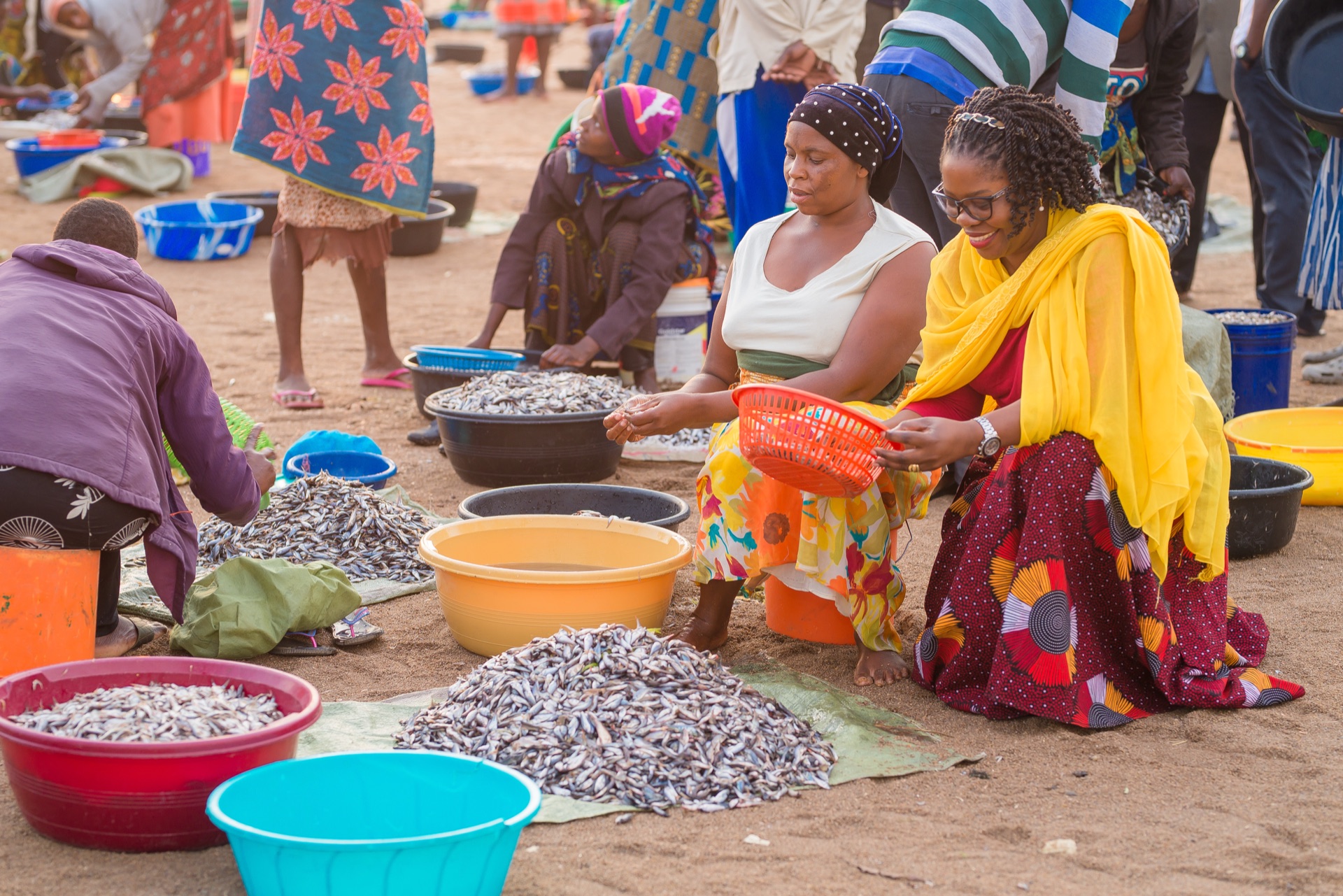
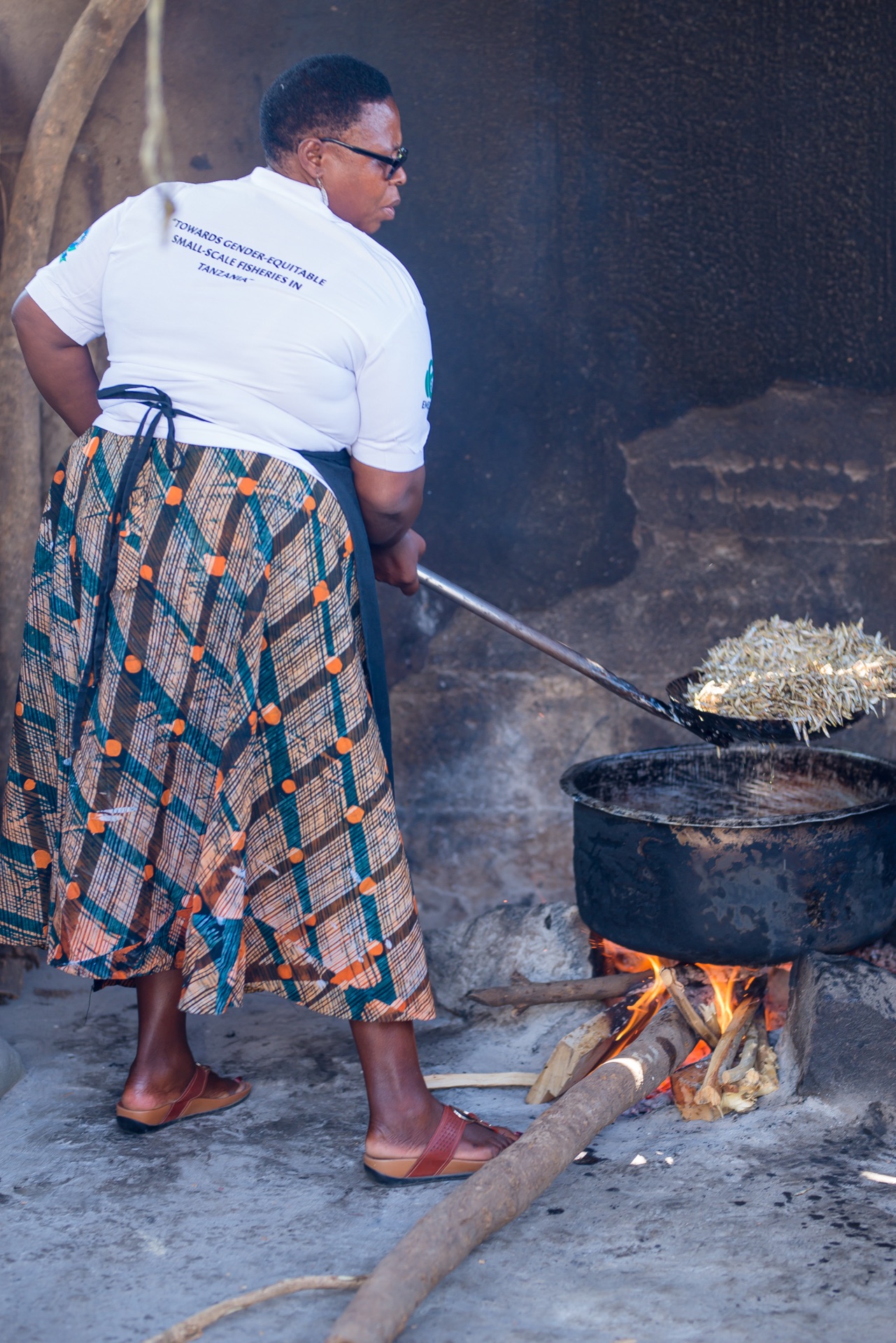
The communities surrounding Lake Victoria depend on its waters for their livelihoods — from fishing and processing to trade. Women drive the dagaa economy, sorting, drying, and packaging fish that feeds millions across East Africa.
Jamii zinazozunguka Ziwa Victoria zinategemea maji yake kwa maisha yao — kutoka uvuvi na usindikaji hadi biashara.
But the lake is changing. Species are disappearing, water quality is declining, and the fishing economy that sustains 42 million people is under unprecedented pressure.
Lakini ziwa linabadilika. Spishi zinatoweka, ubora wa maji unapungua, na uchumi wa uvuvi uko chini ya shinikizo.
500+ endemic cichlid species. Pristine water quality. Thriving indigenous fisheries. One vessel, one scientist, handwritten field notes.Spishi 500+ za cichlid za asili. Ubora wa maji safi. Chombo kimoja, mwanasayansi mmoja.
200+ species feared extinct. Eutrophication crisis. $6B fishing economy under threat. Three research vessels, genomic sequencing, satellite monitoring.Spishi 200+ zinahofiwa kutoweka. Uchumi wa uvuvi wa $6B uko hatarini. Vyombo vitatu vya utafiti.
First comprehensive lake-wide ecological assessment aboard SS Kavirondo, documenting indigenous fish fauna in a relatively pristine state.
The controversial introduction of Lates niloticus, setting in motion one of the most dramatic ecosystem transformations ever documented.
Nile perch population explodes, creating an export boom but leading to mass extinction of endemic haplochromine cichlids.
Comprehensive biodiversity survey utilising trawling methodologies establishes contemporary baseline for comparison.
The Graham Centenary Survey launches: historic replication combining traditional methods with genomic science, satellite monitoring, and community partnership.
Comprehensive review of Graham's original reports and historical archives to establish the foundational baseline.
Lake-wide sampling across biodiversity, fisheries, water quality, and socioeconomic dimensions.
Genetic analysis, water quality testing, sediment core dating, and comprehensive data management.
Meaningful engagement with lakeside communities, policymakers, and international partners.
Filming, photography, oral histories, and documentary production capturing the human dimension.
Public awareness campaigns, school programmes, digital communications, and media engagement.
Comprehensive reports, policy briefs, community toolkits, and IUCN assessments.
Governance structure, quality assurance, coordination mechanisms, and monitoring systems.
The survey covers the entire lake across Kenya, Tanzania, and Uganda — including island communities, key fishing zones, and ecological hotspots.Utafiti unashughulikia ziwa zima katika Kenya, Tanzania, na Uganda.
300+ page flagship report, 5 thematic technical reports, 20+ peer-reviewed articles
~200 species Red List assessments, 5 Green Status assessments, Red List Index publication
6 policy briefs, 5 priority action areas, community toolkits in 5 languages
60-min documentary, 8-episode mini-series, 1M+ people reached
10,000+ DNA specimens, 1,500+ water samples, open data via GBIF
500+ schools engaged, 1,500+ household surveys, youth ambassador programmes
"The fish we used to catch when I was young — my children have never seen them. This survey must tell the world what we have lost." "Samaki tuliowahi kuvua nilipokuwa kijana — watoto wangu hawajawahi kuwaona."Fisherman, Kisumu Mvuvi, Kisumu
"Without baseline data, we are making policy in the dark. This survey gives us the evidence we need to act."Fisheries Scientist
"The lake feeds us, gives us water, gives us life. When the lake is sick, we are all sick."BMU Chairperson, Mwanza
"Graham's survey documented a world that no longer exists. The centenary gives us a unique chance to measure exactly what has changed."Academic, Makerere University
"This is not just science — it is the story of East Africa. The lake is the heart of our region's economy and culture."NGO Leader
"Tourists come to see the Serengeti. They should also see the wonders beneath the surface of Lake Victoria."Tourism Operator, Entebbe

Lead institution for Kenyan waters. Research vessels, laboratory facilities, and decades of Lake Victoria expertise.

Tanzania's fisheries research authority. Southern lake operations and Mwanza community engagement.
Uganda's fisheries research institute. Northern lake surveys and biodiversity monitoring.
Tri-national fisheries coordination body. Cross-border governance and policy integration.
African Center for Aquatic Research & Education. International coordination and capacity building.
National Agricultural Research Organisation. Watershed research and agricultural-fisheries linkage.
Whether you are a scientist, educator, community leader, or someone who cares about freshwater ecosystems — there is a place for you.Iwe wewe ni mwanasayansi, mwalimu, kiongozi wa jamii — kuna nafasi yako.
Upload photographs, share oral histories, submit observations, or tell us your ideas.Pakia picha, shiriki historia, wasilisha uchunguzi, au tuambie mawazo yako.
Our schools programme connects the survey's science with classrooms across Kenya, Tanzania, and Uganda.Programu yetu ya shule inaunganisha sayansi ya utafiti na madarasa.
Across all three nations with curriculum materials.Katika mataifa yote matatu.
Primary, secondary, and university level packs.Msingi, sekondari, na chuo kikuu.
Young leaders trained as survey ambassadors.Viongozi vijana wanaofunzwa kama mabalozi.