One Lake.
One Century.
One Chance.

Centenary Scientific Survey · 2027

Retracing Michael Graham’s historic 1926–1927 expedition to secure the future of Africa’s greatest lake.

Scroll

Why It Matters

Forty Million Lives.
One Heart.

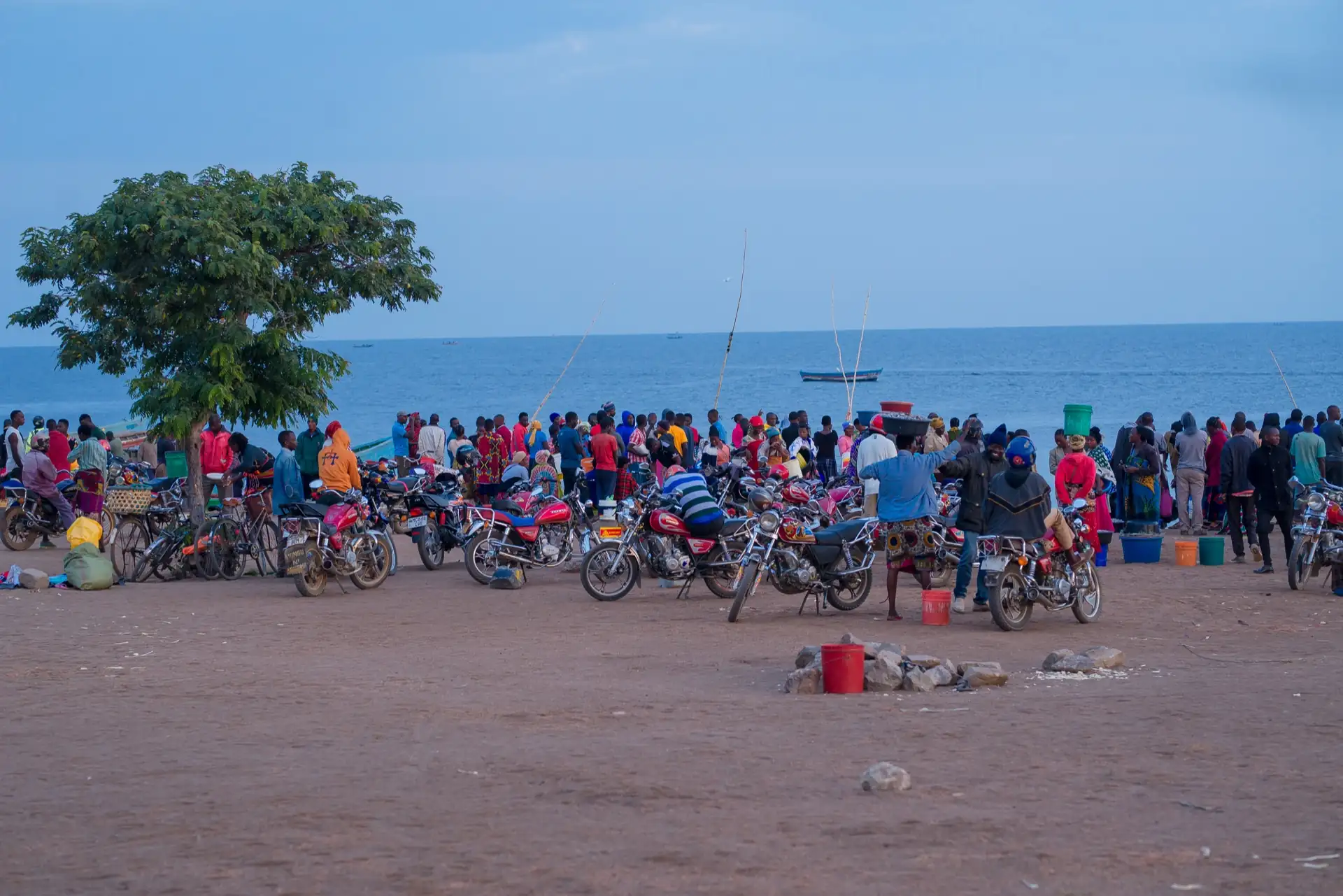
Lake Victoria is the heart of East Africa—Africa’s largest lake and the world’s second-largest freshwater lake by surface area. Over 200,000 fishers work its waters directly, sustaining a fishing economy worth over $1 billion and feeding 42 million people across Kenya, Tanzania, and Uganda.Ziwa Victoria ni moyo wa Afrika Mashariki—ziwa kubwa zaidi barani Afrika. Wavuvi zaidi ya 200,000 wanafanya kazi moja kwa moja, wakiendeleza uchumi wa uvuvi wenye thamani ya zaidi ya dola bilioni 1 na kulisha watu milioni 42 kote Kenya, Tanzania, na Uganda.

The Graham Centenary Survey is the first comprehensive measurement of change in 100 years.Utafiti wa karne ya Graham ni kipimo cha kwanza cha kina cha mabadiliko katika miaka 100.

Support the 2027 Survey
Lake Victoria
42M+

Lives Dependent

“Lake Victoria represents one of the most incredible sources of life, health and wellbeing for the people of East Africa, and I’m delighted to support this locally led initiative to ensure we understand our impacts upon it and so ensure it provides for generations to come.”
Mark Haviland, Co-Director — Lake Victoria 100

Impact Metrics

0M+
People Dependent
0K+
Fishers on the Lake
0M tonnes/yr
Fish Harvest
0+
Endemic Cichlid Species
0+
Species Feared Extinct
0
Work Packages
0 nations
Partner Countries

Our Mission

Sustaining Lake Victoria Ecology

The sustained health of Lake Victoria ecology, so that it continues to serve the communities and economies of the Lake Victoria Basin.

Purpose

To gather and share reliable, lake-wide scientific evidence on how Lake Victoria’s ecology has changed since Graham’s 1927 survey, so that civil society, business, and policymakers can make informed, long-term decisions.

Four Pillars

  • Replicate & Modernise — Graham’s baseline with cutting-edge technology
  • Document Change — 100 years of ecological transformation
  • Drive Action — Public, commercial & legislative investment
  • Set New Baseline — Protocols for ongoing monitoring

A Century of Change

Critical Changes Demanding Renewed Assessment

Non-Native Species

Ecological Disruption

  • • Nile perch introduced 1950s–60s despite Graham’s warning
  • • Haplochromine cichlids crashed from 80% of biomass to near zero
  • • 200+ endemic species feared extinct

Water Quality

Eutrophication Crisis

  • • Severe algal blooms since the 1980s
  • • Oxygen depletion in deep waters
  • • Diatoms replaced by toxic cyanobacteria

Invasive Plants

Habitat Alteration

  • • Water hyacinth invaded in 1986
  • • Kariba weed spreading across shores
  • • Blocks fishing, transport, and water intake

Human Pressure

Population & Overfishing

  • • Basin population growing 3.5% per year
  • • 75,000 fishing boats, widespread illegal gear
  • • Nile perch catches halved since peak

The 1927 Expedition

Retracing the Path of Michael Graham

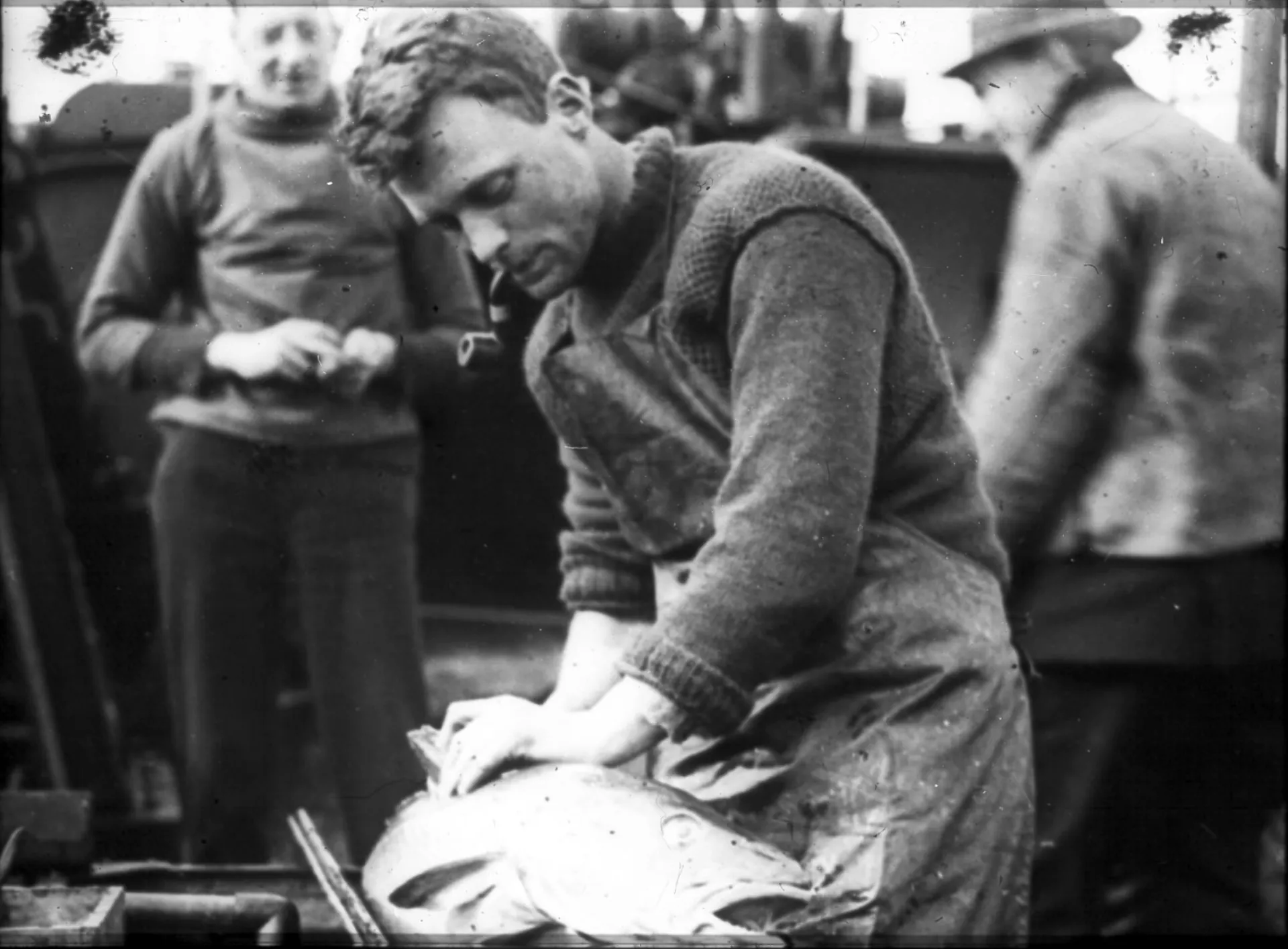
In 1926–1927, Michael Graham conducted the first systematic assessment of Lake Victoria aboard the SS Kavirondo. He recorded 58 species of haplochromine cichlids, documented two thriving native tilapia species—both now critically endangered—and produced the definitive baseline for 100 years of change.

“The introduction of a large predatory species from another area would be attended with the utmost danger, unless preceded by extensive research into the probable effects of this operation.”

— Michael Graham, The Victoria Nyanza and its Fisheries, 1929
Michael Graham

Be Part of the Story

Join the 2027 expedition and help write the next chapter of Lake Victoria science.

Join the 2027 Expedition