Centenary Expedition · 2027
The Graham Story
One hundred years of Lake Victoria science — from handwritten field notes to genomic sequencing.
Historical Archive
The Graham Journals
Original field observations, 1926–1927. Click to explore.
The Graham
Journals
Lake Victoria Survey
1926–1927
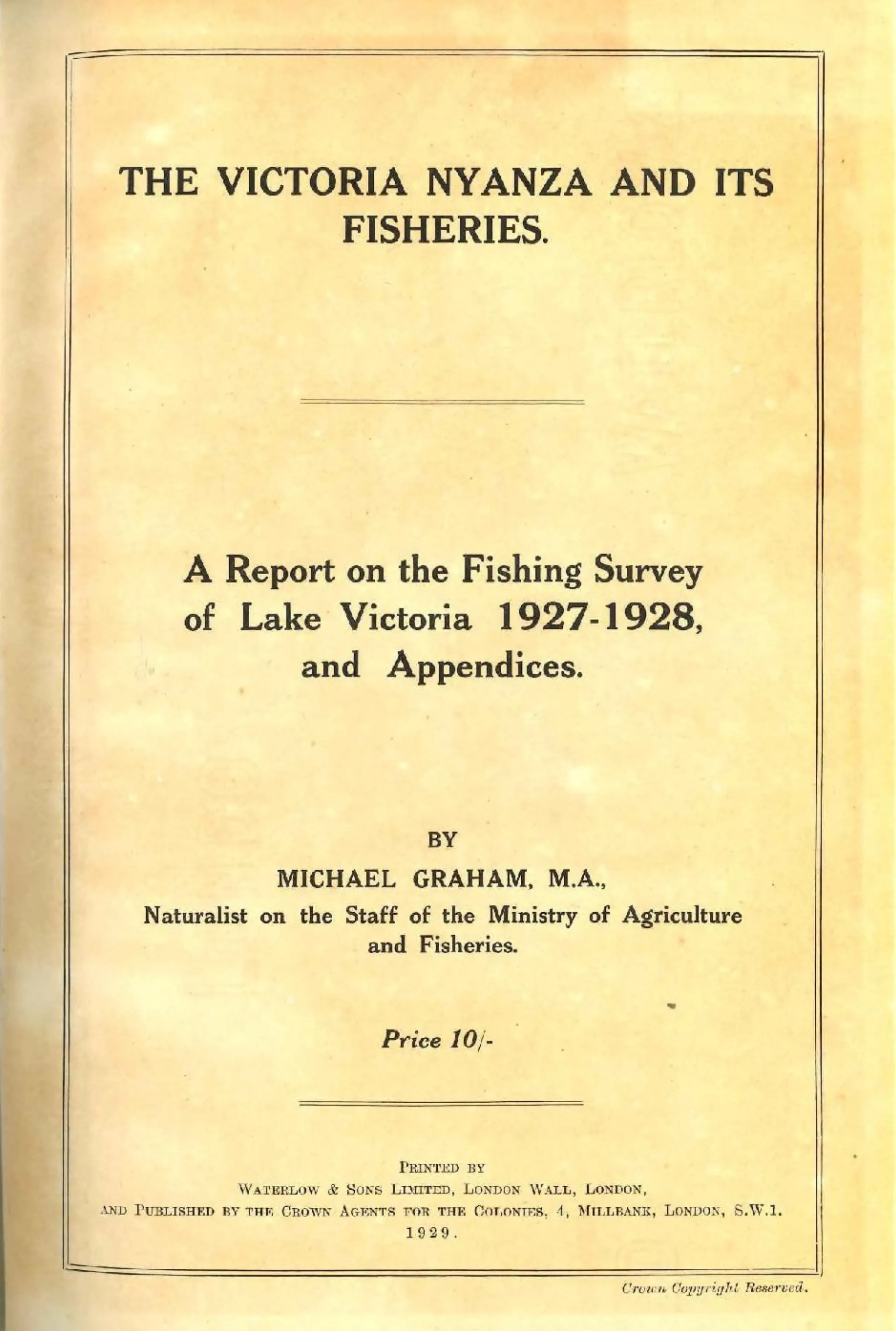
The Expedition — 1926–1927
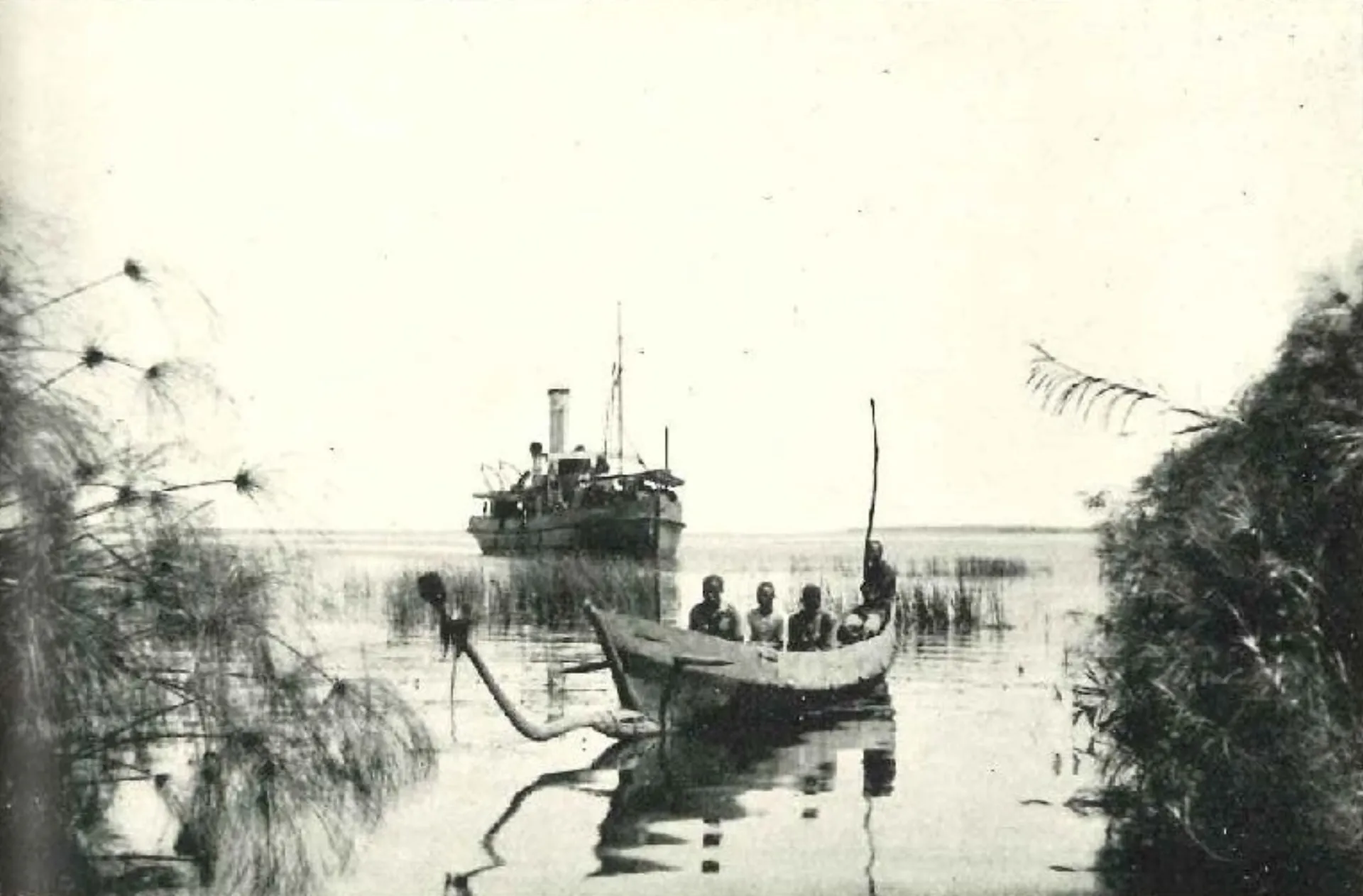
Michael Graham conducted the first comprehensive ecological survey of Lake Victoria aboard the SS Kavirondo, documenting indigenous fish fauna across the world’s largest tropical lake.
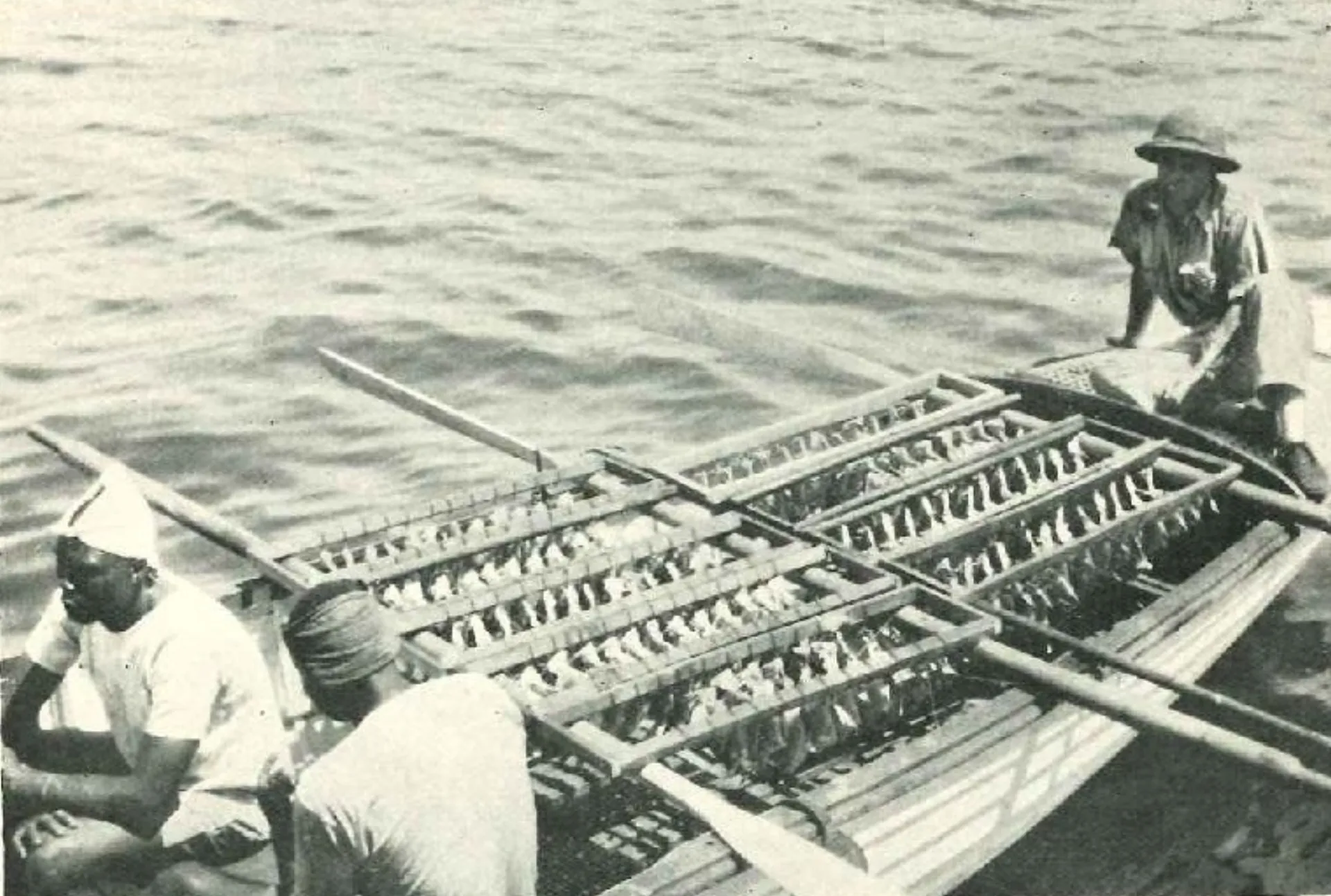
Field Sampling
The survey team collected specimens and water samples at sites across the lake, working with local fishermen who provided essential knowledge of species, habitats, and seasonal patterns.
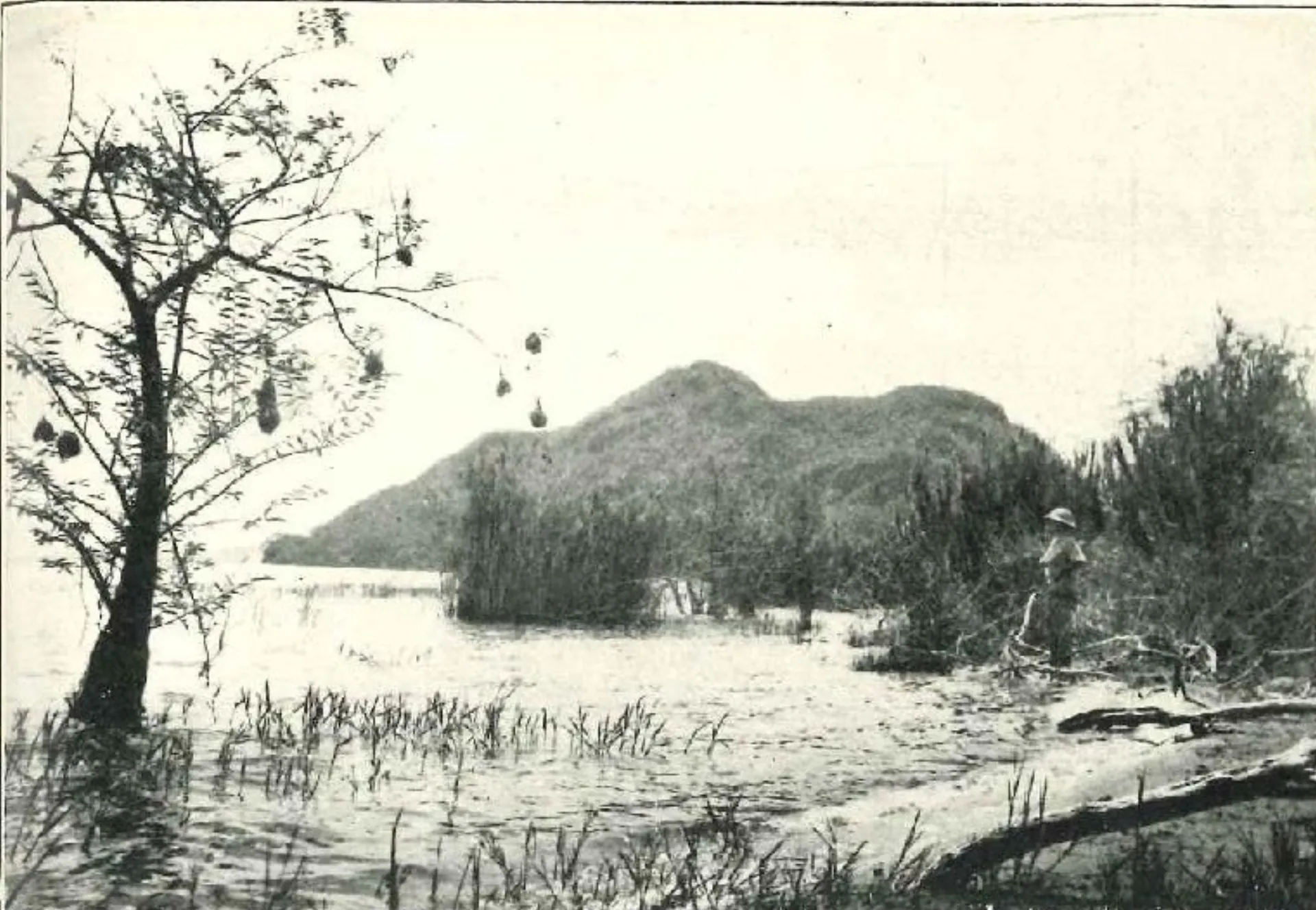
The Records
Graham’s original logbooks and field notes are held in the Cefas archive. They contain species counts, water quality measurements, and location data that form the first ecological baseline for the lake.
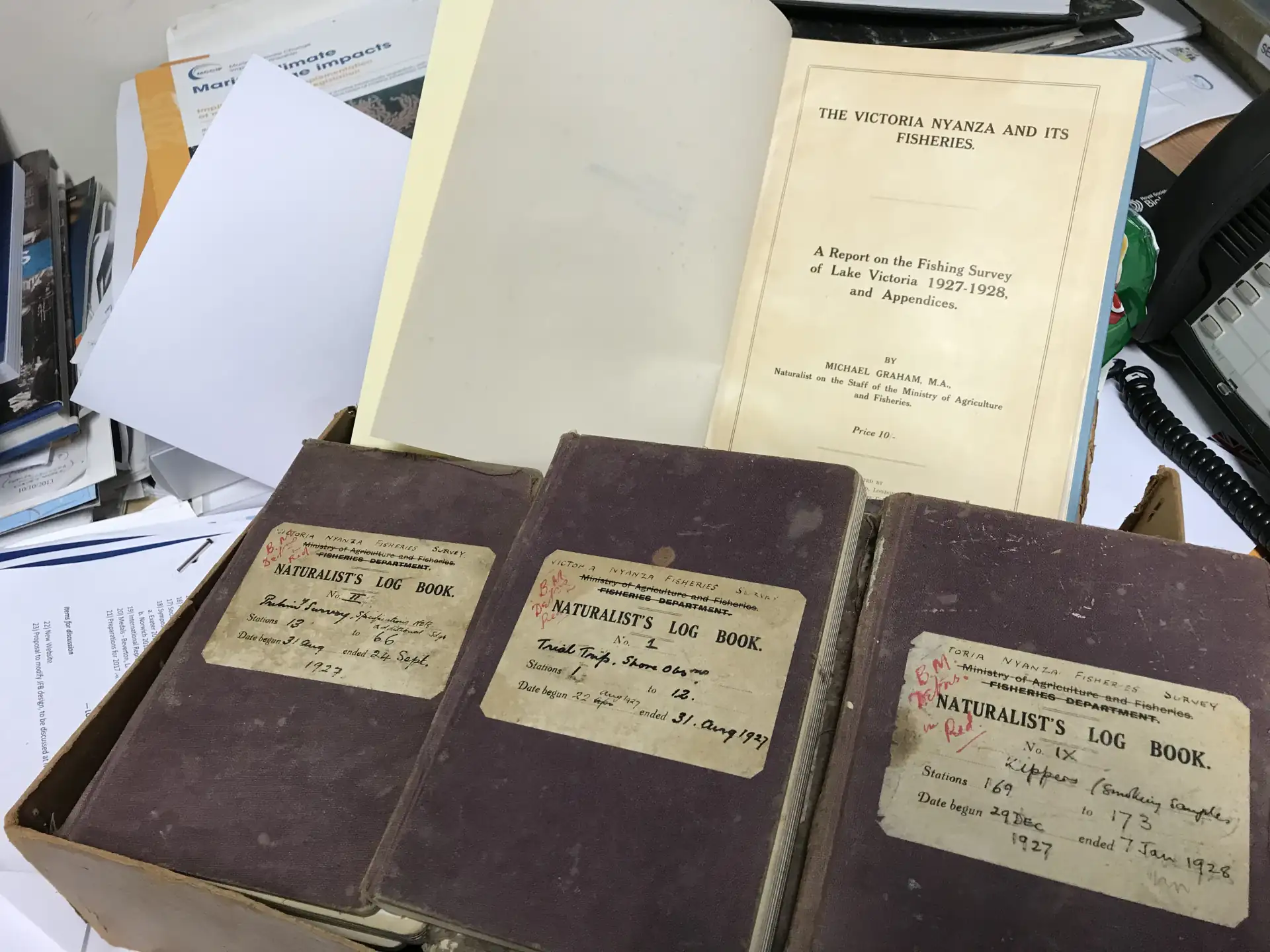
What Was Found
The survey documented over 200 species of fish, many previously unknown to European science. These records now serve as the only comprehensive snapshot of Lake Victoria’s ecology before the Nile perch introduction.
100 Years Later
No comparable lake-wide assessment has been repeated since 1927. The 2027 Centenary Survey will retrace Graham’s route using modern methods — genomic sequencing, satellite monitoring, and community partnership — to measure what has changed.
The Graham
Centenary Survey
Retracing 100 years of change
on Africa’s greatest lake
Click the cover to open, or use the arrows
The Original ExpeditionMsafara wa Kwanza
The Survey That Started It AllUtafiti Ulioanza Yote
In 1926–1927, Michael Graham—sent from the fisheries laboratory in Lowestoft—spent a year aboard the SS Kavirondo conducting the first systematic Fisheries Survey of Lake Victoria. He recorded 58 species of haplochromine cichlids, many new to science, which accounted for approximately 80% of the lake’s fish biomass.
Graham documented two dominant commercial species—the ngege (Oreochromis esculentus) and Victoria tilapia (O. variabilis)—both now critically endangered. He noted gill nets had already caused diminution in ngege numbers near markets, and prophetically warned against introducing predatory species.
One hundred years later, no comparable lake-wide assessment has been repeated. His warning went unheeded. The ecosystem has undergone catastrophic transformation.
Then & NowWakati na Sasa
A Century of ChangeKarne ya Mabadiliko
1927The Pristine Lake
500+ endemic cichlid species forming 80% of fish biomass. Pristine water quality with diatom-dominated phytoplankton. Thriving ngege and Victoria tilapia fisheries. One vessel, one scientist, handwritten field notes.
 2027
2027The Lake Under Pressure
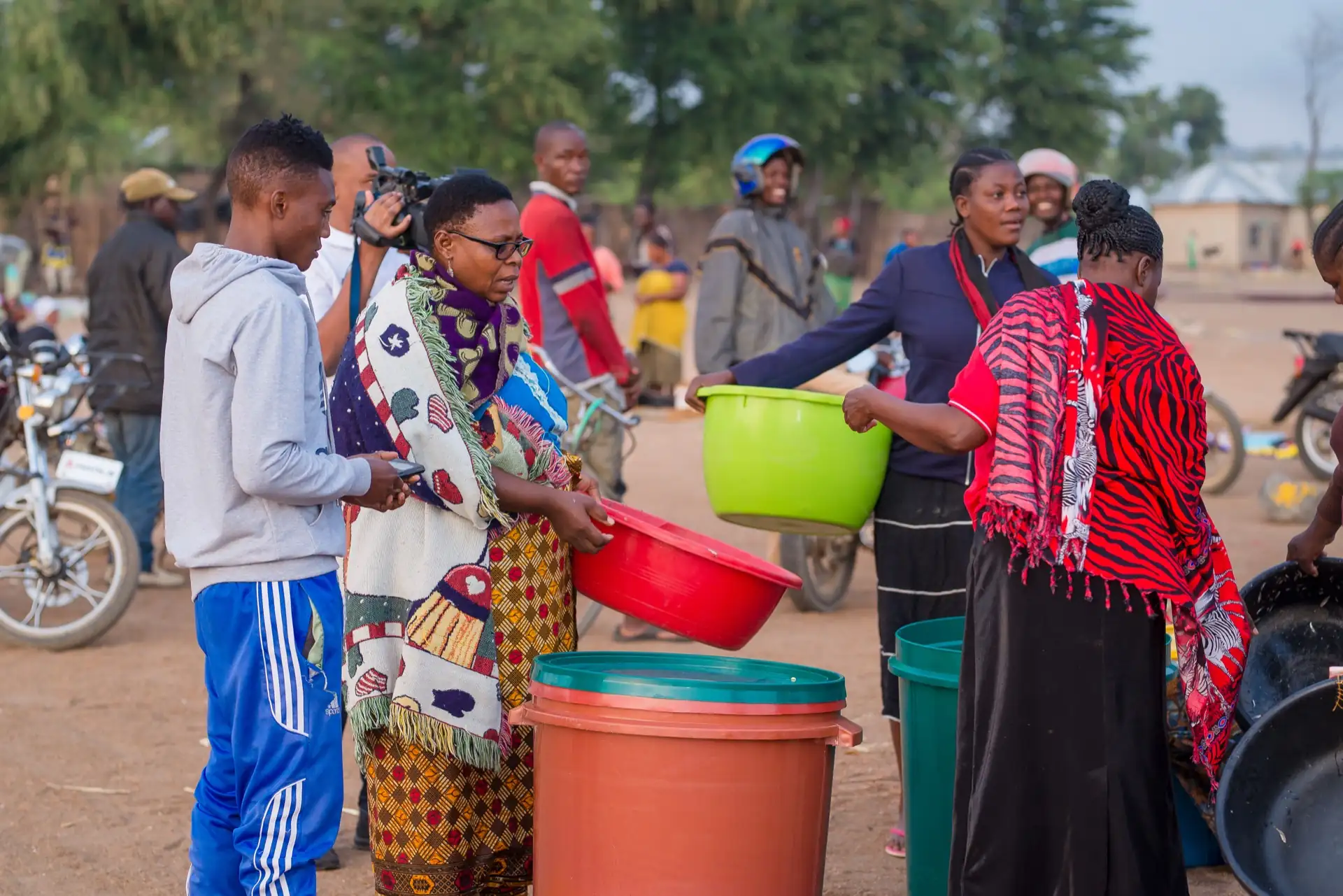
200+ species feared extinct. Nile perch dominates a fishery that peaked at 500,000 tonnes and is now declining. Toxic cyanobacteria replace diatoms. 75,000 boats, 200,000+ fishers, a $1B+ economy at stake. Three research vessels, genomic sequencing, satellite monitoring.
The Lake TodayZiwa Leo
42 Million Lives at StakeMaisha Milioni 42 Hatarini
Over 200,000 fishers work Lake Victoria directly, and an estimated 4 million people depend on the fishery for their livelihoods—processors, traders, boat builders, net makers. Women drive the dagaa economy, sorting, drying, and packaging fish that feeds millions across East Africa and beyond.
But the lake is changing. Nile perch catches have halved since their 1990s peak. The basin population is growing at 3.5% per year. Illegal fishing gear remains rampant despite bans. The fishing economy that sustains 42 million people—centred on cities like Mwanza, Kisumu, and Entebbe—is under unprecedented pressure.
Historical ContextMuktadha wa Kihistoria
A Century of TransformationKarne ya Mabadiliko
Lake Victoria represents one of the most incredible sources of life, health and wellbeing for the people of East Africa, and I'm delighted to support this locally led initiative to ensure we understand our impacts upon it and so ensure it provides for generations to come.Mark Haviland, Co-Director — Lake Victoria 100
Be Part of the StoryKuwa Sehemu ya Hadithi
Join the 2027 expedition and help write the next chapter of Lake Victoria science.Jiunge na msafara wa 2027 na usaidie kuandika sura inayofuata ya sayansi ya Ziwa Victoria.
Join the 2027 Expedition →Jiunge na Msafara wa 2027 →